PISA-resultatene var svake. Hva kan vi foreldre gjøre?
november 5, 2026
The PISA results were poor. What can we parents do?
Norway’s PISA 2025 results were really poor. Scores fell again in reading and maths, and Norway came in below the OECD average in reading, maths and science. About one in three 15-year-olds scored below PISA’s baseline level in reading. I find that worrying, and I hope it leads to real changes in Norwegian schools. Utdanningsdirektoratet
This is bigger than a school ranking
I’ve heard the argument that Norway does school differently and that we shouldn’t put too much stock in an international test. Fair enough. I’m glad we value things a test can’t capture, and I have zero interest in putting kids through an academic rat race. But how much comfort should we take from that when so many teenagers struggle with the basics?
Think about what happens after school. You’re reading a contract, making sense of a graph someone shared online, or trying to work out whether a politician’s numbers actually add up. If you can do that for yourself, you get more of a say. If you always have to rely on someone else to explain what something means, they get to decide which bits you hear. Let’s be honest about how much power that gives them. That’s what worries me more than where Norway sits in a league table.
What can we do at home?
I hope the people who shape our schools take these results seriously. In the meantime, I keep coming back to a question many of us are asking. What can we do as parents?
At home, we can make room for curiosity, conversation, play, effort, mistakes and trying again. All of that can happen in the middle of a perfectly ordinary day.
A lot of the foundations for learning grow in ordinary moments: when we talk with children, play a game together, read a story, solve a small problem, or let them take their time with something that is difficult. The way we respond in those moments matters. So does what children see us do.
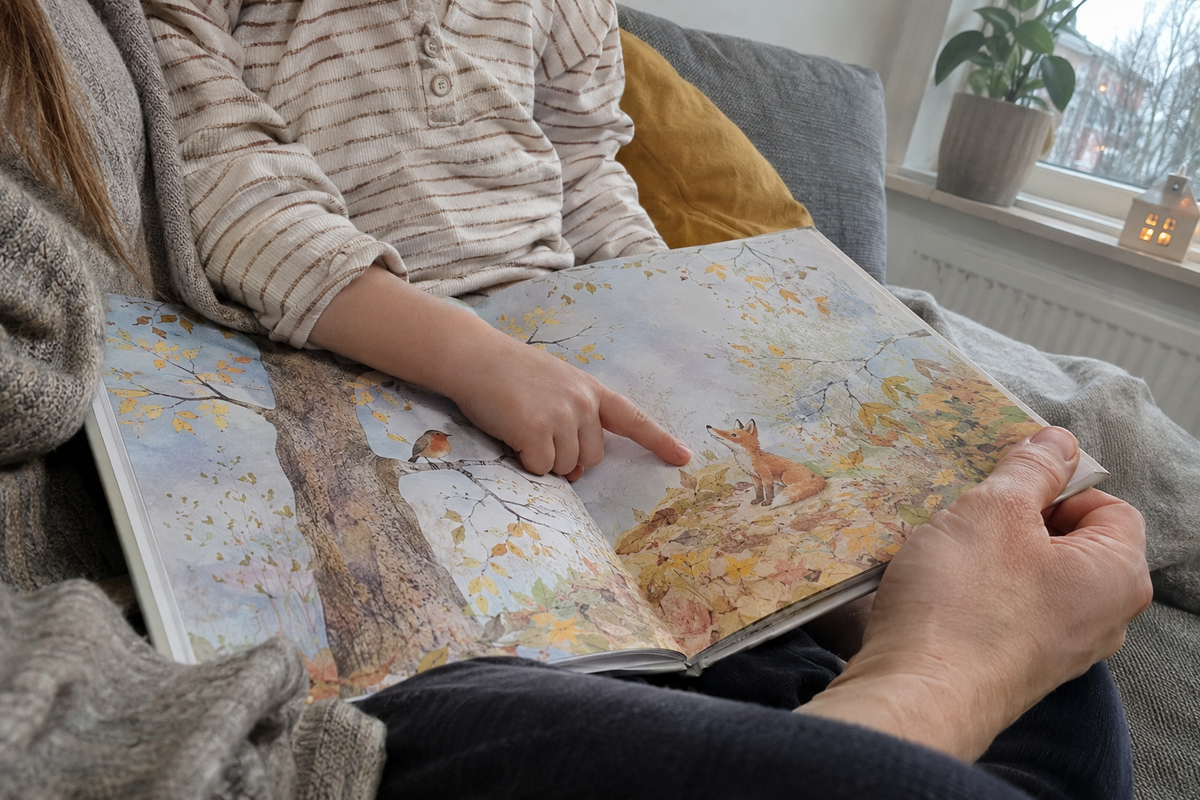
Children learn from what we do, not only what we say
We can tell a child that mistakes are part of learning. But if we get frustrated with ourselves every time we make one, children notice that too.
We can encourage them to listen, take turns and keep going when something is tricky. They also learn by watching how we listen to others, handle frustration and respond when plans don’t work out.
Children need to see the real us sometimes. They can see that we get sad, frustrated or angry, and that those feelings are part of being human. What matters just as much is what we do next.
If I raise my voice near my child, I owe them an apology. “I’m sorry I shouted. I was frustrated, and I should have spoken to you differently.” Full stop. If something has upset me and my child notices, we can talk about it in words they understand and give them just enough information to make sense of what they saw. Sometimes that’s as simple as, “I got some sad news today. It’s okay that I’m a bit quiet, and I’ll talk to another grown-up about it.”
I want my children to know they can talk to me about anything. I’m still the adult in that relationship. I have friends I can call when I need to talk something through. My kids get to be kids.
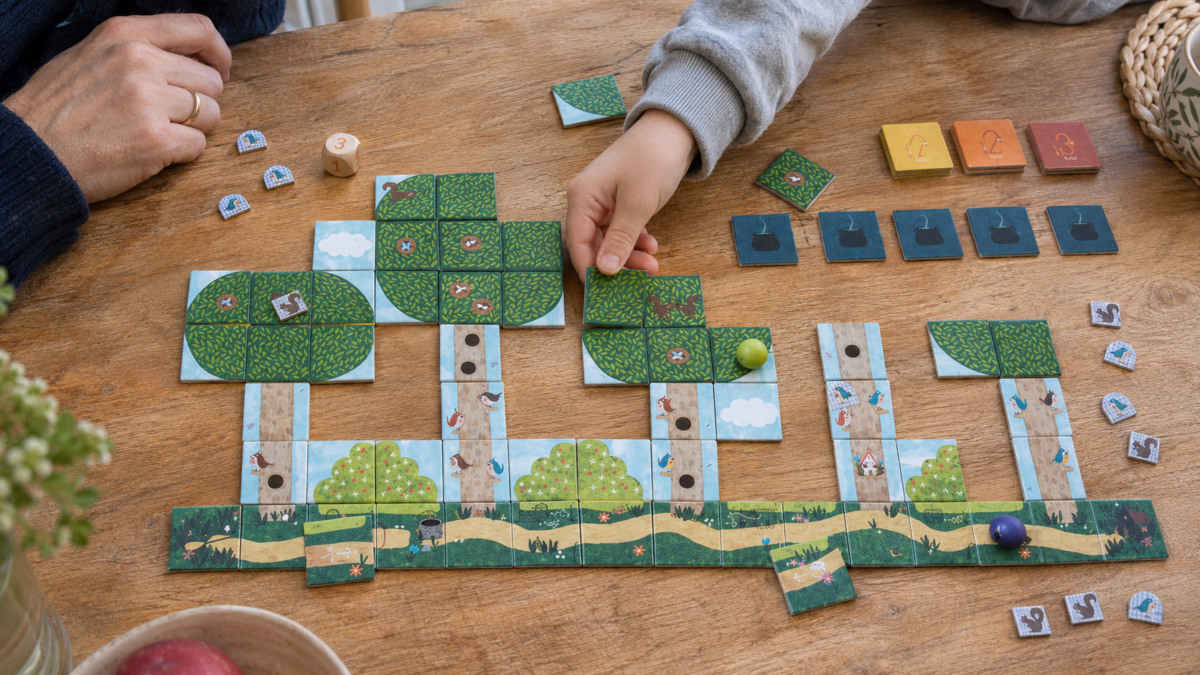
The games we play and the time we spend together matter, too. A simple board game can invite a child to wait, remember a rule, cope with not winning and stay in the game. Building something together can bring up planning, problem-solving and persistence. A conversation about a story can encourage a child to explain what they think and listen to a different idea.
These moments aren’t secret lessons disguised as fun. They’re just part of being together. And they give children opportunities to practise skills they’ll use in learning and in life.
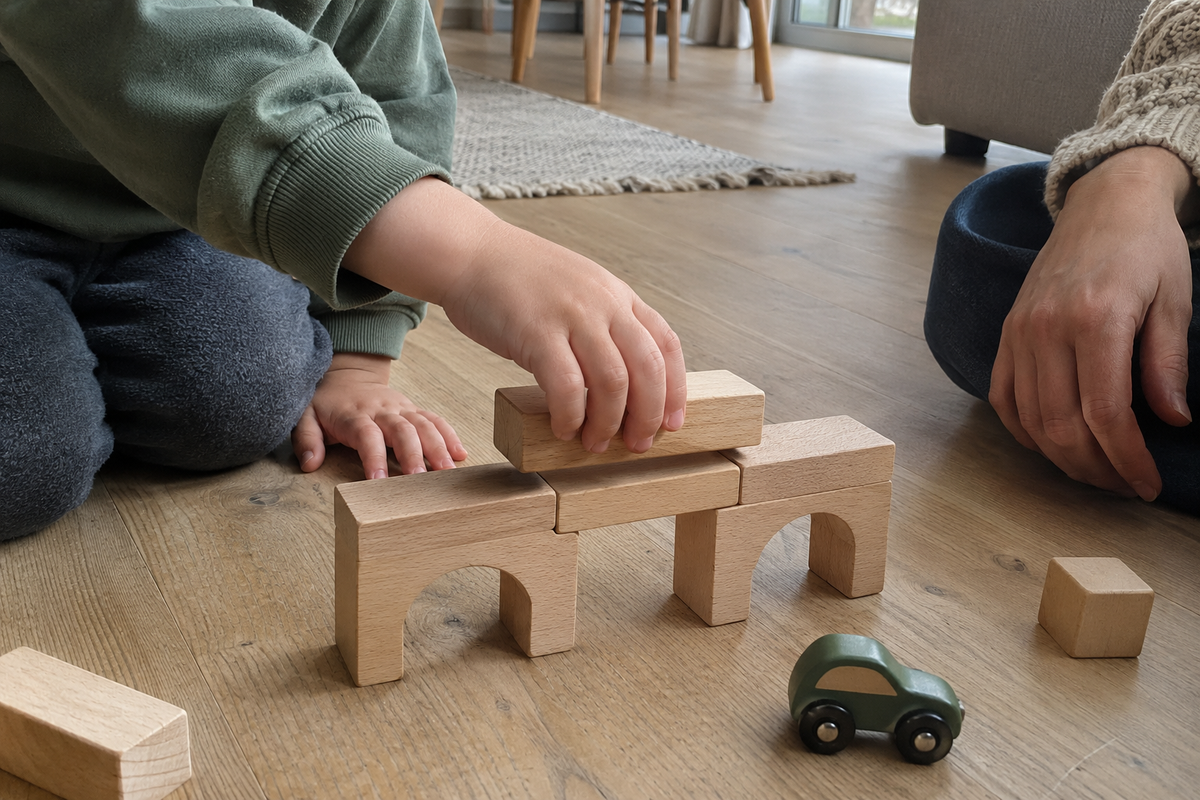
Where parents can help
The responsibility for a strong education system belongs to the people and institutions that shape it. Parents shouldn’t be left feeling that poor national results are theirs to solve at home.
At the same time, the everyday environment around a child matters. How we speak to them, how we spend time together, the games and play we make room for, and the behaviour we model all help shape how children approach challenges, learning and other people.
We can support our children without adding more pressure. We can give them time to explore, be interested in what they’re thinking, let them try before stepping in, and show them that effort and mistakes are part of learning.
In future blog posts, I’ll get into what that looks like in real family life. How do we give a child time to figure something out when it would take us ten seconds to do it for them? What can a board game teach us about frustration (including our own)? And where do early maths and language show up when we’re just getting on with the day?
Because the PISA results should lead to serious conversations about education. And while those conversations continue, we can still make the everyday moments with our children count.
Written by Aleksandra Patalon, pedagogue, mum and founder of Ville Ting and Lille Ville.